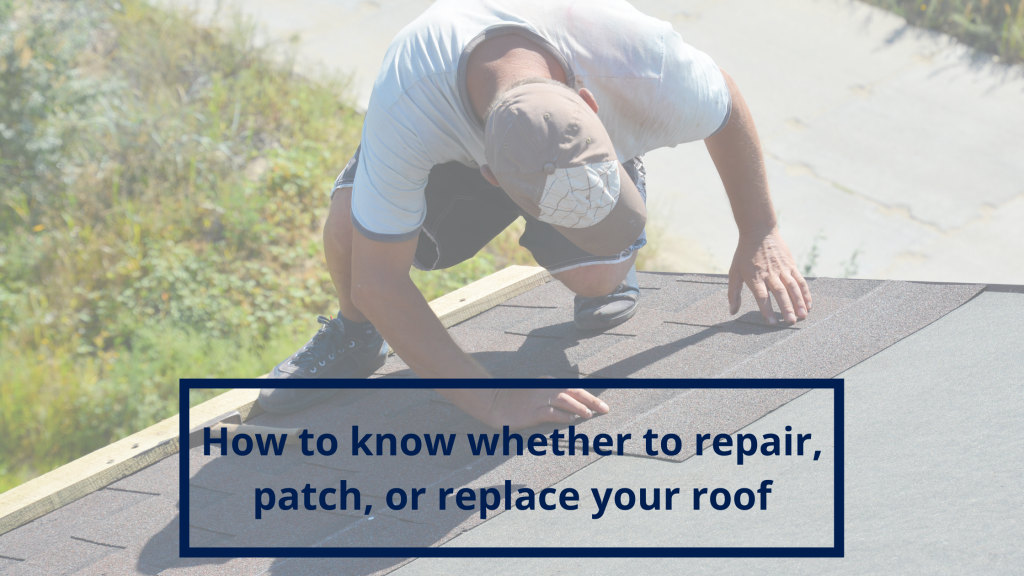
How to Know Whether to Repair, Patch, or Replace Your Roof in Phoenix
In Phoenix, roofs endure scorching summer heat, intense UV exposure, windblown dust and sand, and monsoon-driven rain. All of these elements take a toll on residential and commercial roofing systems. This comprehensive guide helps homeowners and business owners decide when to repair, patch, or replace a roof—and how to make decisions that maximize value, safety, and sustainability in Arizona’s unique climate.
Understanding Roof Damage: Signs & Local Conditions
Arizona roofs face extraordinary stressors. Extreme temperatures cause thermal expansion and contraction, degrading shingles, tiles and membranes faster than in milder climates. UV radiation breaks down asphalt binders, while wind-driven dust erodes protective coatings. During monsoon season, strong winds, hail and heavy rainfall test the integrity of flashing and underlayment.
- Discoloration and granule loss: UV exposure can bleach shingles; granules in gutters indicate aging materials:contentReference[oaicite:0]{index=0}.
- Cracked or curling shingles or tiles: Heat can cause asphalt shingles to curl and crack; clay tiles may spall or crack under thermal stress.
- Water stains & indoor leaks: Puddles on ceilings or walls suggest compromised underlayment or flashing.
- Sagging or soft spots: Long‑term moisture intrusion weakens decking and trusses.
- Sunlight in the attic: Daylight seeping through indicates missing roofing material or gaps in the deck:contentReference[oaicite:1]{index=1}.
- Granules in gutters: A common sign of shingle wear in Phoenix’s intense sun.
In addition to visual clues, pay attention to sensory indicators:
- Soft or bouncy spots when walking on your roof deck or attic floor.
- Uneven indoor temperatures or sudden spikes in HVAC usage, suggesting insulation failure.
- Musty odors or increased indoor humidity that may signal hidden leaks.
- Unexplained noises such as creaking or popping that could indicate structural stress.
Regular inspections—ideally twice a year and after major monsoon storms—are essential. Capstone Roofing offers professional roof inspections designed to detect early signs of damage and extend your roof’s life.
Decision Framework: Repair, Patch or Replace?
Deciding between repairing, patching or replacing your roof depends on the extent of damage, the roof’s age, material type and your budget. The following decision tree helps you navigate these choices.
Decision Tree: Residential & Commercial Roofs
| If … |
Then … |
| Damage is localized to a few shingles or tiles with no underlying deck damage |
Repair (replace affected shingles/tiles; reseal flashing) |
| A larger contiguous area is compromised but the roof is under 10 years old |
Patch (remove damaged section, install matching material; ensure underlayment integrity) |
| The roof is over 20–25 years old (asphalt) or 40–50 years (tile) and shows widespread wear |
Replace (upgrade to high‑performance materials with better UV resistance) |
| Multiple leaks or recurring repairs within a year |
Consider replacement for long-term value |
| Repair costs exceed ~30–40% of the estimated replacement cost |
Replace (economically prudent) |
| You plan to install solar panels or improve energy efficiency |
Evaluate replacement with modern underlayment and reflective coatings |
Use the following numerical heuristics as a guideline: if your repair estimate within a 12–18 month period exceeds roughly 30–40 percent of a new roof cost, replacement often becomes the more economical choice, especially given Phoenix’s accelerated wear rates. A roof that demands multiple repairs every monsoon season is generally approaching end of life.
Warranty & Insurance Implications
Your warranty and insurance coverage should influence the decision:
- Manufacturer warranties may be voided if improper repairs or overlays are performed. Always verify whether patching retains warranty coverage; many shingle manufacturers require that repairs use matching products and be installed by certified contractors.
- Workmanship warranties provided by installers may lapse if a different contractor performs repairs.
- Insurance policies typically cover sudden damage (e.g., hail, wind) but not wear and tear. Insurers may depreciate payouts based on roof age; replacing an aging roof may qualify you for replacement cost value (RCV) coverage, whereas patching may only yield actual cash value (ACV) on a claim.
- Always check policy terms before repairing or replacing to avoid unexpected out-of-pocket expenses.
Repair: When Minor Fixes Suffice
Repairing a roof involves replacing damaged shingles, tiles or small membrane sections. In Phoenix, common repair scenarios include:
- Replacing a few curled or cracked asphalt shingles after extreme heat or wind.
- Repairing foam roofs with recoating treatments to maintain reflectivity.
- Fixing minor leaks around skylights or vents; ensure proper flashing to prevent dust intrusion.
Repairs are cost‑effective and can extend a roof’s life when damage is minimal. Homeowners comfortable with DIY may replace a handful of shingles, but hiring a professional ensures the underlying cause is addressed. Capstone Roofing’s roof repair services focus on durable fixes that withstand Arizona weather.
Patching: Bridging Between Repair and Replacement
Patching involves removing a larger damaged area and installing new roofing material. It’s appropriate when a section of the roof—such as an area under a fallen branch or hail‑damaged zone—requires more than a few shingle replacements. In Phoenix, matching colors can be challenging due to sun fading; patching may create a visible contrast. Always verify that the underlayment and decking beneath the patch are intact, and consider a full replacement if multiple large patches are needed.
Replacement: Investing for the Future
When a roof has reached the end of its lifespan or suffers from widespread damage, replacement offers a fresh start. Competitor research shows that asphalt shingles in Arizona may last 15–20 years due to thermal shock and UV damage:contentReference[oaicite:2]{index=2}, while tile roofs can exceed 40–50 years if installed correctly:contentReference[oaicite:3]{index=3}. Signs it’s time to replace include extensive leaks, sagging, missing flashing, and granule loss:contentReference[oaicite:4]{index=4}. Replacement provides an opportunity to install advanced materials such as cool roofing membranes, foam systems with reflective coatings, or clay tiles with high heat tolerance.
Material Comparison: Options for Phoenix Roofs
Choosing the right roofing material influences cost, durability, energy efficiency and maintenance. This comparison table summarizes common roof types suitable for Phoenix’s climate. For more guidance on energy-efficient roofing, consult the U.S. Department of Energy’s cool roof resources (DOE Cool Roofs) and ENERGY STAR’s roofing products directory (ENERGY STAR Roof Products). These resources detail how reflective coatings reduce heat gain and can lower cooling costs—a crucial consideration for Phoenix homeowners.
| Material |
Lifespan (AZ) |
Pros |
Cons |
Ideal For |
| Asphalt Shingles |
15–20 yrs |
Low cost; easy repairs; wide color selection |
Shorter lifespan in heat; susceptible to curling and granule loss |
Budget‑conscious homeowners; rentals |
| Clay or Concrete Tile |
40–50+ yrs |
Excellent thermal mass; long lifespan; resist UV; local aesthetic |
Higher upfront cost; heavier (may require structural reinforcement) |
High‑value homes; Mediterranean & Southwestern designs |
| Spray Foam (SPF) |
15–25 yrs |
Seamless waterproof layer; high R‑value; ideal for flat roofs |
Requires recoating every 5–10 yrs; professional application needed |
Commercial buildings; flat residential roofs |
| TPO/Single‑Ply Membranes |
20–30 yrs |
Reflective; energy efficient; lightweight |
Puncture‑sensitive; professional installation |
Commercial rooftops; modern homes with low slopes |
| Metal Roofing |
40–70 yrs |
Durable; fire resistant; reflects heat |
Higher noise during rain; cost |
Commercial structures; eco‑minded homeowners |
For research on solar integration and roofing performance in hot climates, the National Renewable Energy Laboratory (NREL) provides detailed case studies and performance data (NREL Roofing Research).
Cost & ROI Framing
Roofing costs vary by material, labor, roof complexity and market conditions. In Phoenix, labor can be seasonal; scheduling work outside of peak monsoon months may yield better pricing. Consider the following factors:
- Material costs: Asphalt shingles are the least expensive, while tile and metal have higher upfront costs but longer lifespans.
- Roof size & pitch: Larger roofs and steeper pitches increase labor time and safety requirements.
- Additional features: Skylights, HVAC equipment, solar panels, and chimneys require flashing and careful integration.
- Energy savings: Upgrading to reflective coatings or cool roofing can reduce cooling bills by up to 10–15% during summer.
From an ROI perspective, a well‑timed roof replacement can enhance property value and curb appeal. In Phoenix’s real estate market, buyers value roofs with long lifespans and energy efficiency. Capstone Roofing offers detailed estimates and can advise on the cost differences between recoat, patch and replacement options (roof replacement costs in Phoenix).
Lifecycle Analysis: From Installation to Replacement
Understanding a roof’s lifecycle helps plan maintenance and budgeting.
Installation Phase
Proper installation is critical. For asphalt and tile roofs, ensure adequate ventilation to minimize thermal shock. Foam and TPO roofs require professional application to guarantee even coverage and bonding. Hiring certified installers reduces the risk of premature failure.
Maintenance Phase
Regular maintenance prolongs roof life and prevents small issues from escalating. Key tasks include:
- Biannual inspections (spring and fall) and post‑storm checks.
- Cleaning debris and dust, especially in flat and foam roofs where dust can accumulate and degrade coatings.
- Checking sealant around skylights, vents and HVAC units.
- Reapplying protective coatings on foam roofs every 5–10 years to maintain waterproofing and reflectivity.
- Replacing damaged underlayment in tile roofs every 20–30 years, even if tiles themselves are intact.
For a deeper dive into upkeep strategies, see Capstone’s guide on maintaining a tile roof and their roof weather damage in Phoenix article.
End-of-Life & Replacement
When repairs become frequent or a roof nears its material lifespan, plan for replacement. Replace asphalt roofs after 20 years, foam roofs after 15–25 years (with proper recoating), and tile roofs once the underlayment fails (typically 30 years). Factor in potential upgrades like solar integration or improved ventilation during this phase to enhance long‑term performance.
Residential vs. Commercial Considerations
While the core principles of repair, patch, or replacement apply to both residential and commercial roofs, there are notable differences:
- Roof design: Residential roofs often have steeper pitches and aesthetic requirements; commercial roofs are typically flat or low‑slope and must support HVAC equipment.
- Material choices: Commercial roofs favor TPO, PVC, or built‑up systems for large areas; residential roofs commonly use shingles, tiles and metal.
- Regulatory considerations: Commercial properties may need to comply with energy codes, fire ratings, and warranty requirements; residential codes focus on building safety and local ordinances.
- Maintenance schedules: Commercial roofs may require more frequent inspections due to foot traffic and equipment loads; residential roofs benefit from seasonal checks.
Capstone Roofing serves both homeowners and business owners through specialized services such as commercial roofing services and residential roofing services.
Climate-Specific Performance & Resilience
In Phoenix, designing a roof to withstand extreme conditions is essential:
- Heat & UV: Use reflective surfaces, cool roof coatings, or clay tiles that absorb and radiate heat slowly. ENERGY STAR‑rated materials can mitigate heat gain.
- Dust & Soiling: Choose smooth surfaces (metal, TPO) or apply anti‑soiling coatings. Regular cleaning prevents debris buildup that can cause ponding on flat roofs.
- Monsoon Winds & Rain: Ensure adequate fastening systems, proper drainage and reinforced flashing. Foam roofs offer seamless protection against wind‑driven rain; tile roofs require secure interlocking and underlayment to prevent water intrusion.
Capstone’s articles on monsoon preparation and weather damage offer actionable tips tailored to Arizona’s climate.
Storm & Resilience Tie-In
Monsoon storms can deliver sudden gusts exceeding 60 mph, along with hail and torrential downpours. To ensure storm resilience:
- Choose impact‑rated shingles or tiles and ensure they meet local wind uplift standards.
- Secure roofing accessories (vents, skylights) with proper flashing and sealants.
- Inspect after storms for missing shingles, cracked tiles, or damaged membranes. Prompt patching prevents small breaches from evolving into major leaks.
- Consider protective roof coatings that enhance UV resistance and waterproofing.
For businesses with flat roofs, installing protective walk pads reduces foot traffic damage during maintenance and ensures consistent membrane performance.
Maintenance as Sustainability
Regular maintenance not only prolongs your roof’s life but also supports sustainability by reducing waste. Replacing underlayment in tile roofs instead of the entire system preserves materials. Recoating foam roofs extends service life and maintains energy efficiency. Inspections can identify opportunities to improve insulation, ventilation, and energy performance, lowering your carbon footprint.
Capstone Roofing’s foam roof maintenance guide and energy‑efficient roofing options explain how proactive care promotes sustainability.
DIY vs Professional: Risk & Safety Table
Some maintenance tasks can be done by competent homeowners, while others should always be handled by professionals. Use the table below to decide when to DIY and when to call in the pros.
| Task |
DIY‑Safe? |
Risks |
When to Hire a Pro |
| Replacing 1–2 asphalt shingles |
Yes, for experienced DIYers |
Falls; improper sealing; voiding warranty |
If the roof is steep, multiple layers, or damaged deck suspected |
| Cleaning gutters & downspouts |
Yes |
Falls from ladders; contact with pests |
When there is complex roof geometry or clogged roof drains |
| Replacing tile underlayment |
No |
Tile breakage; structural damage; voiding warranty |
Always—requires lifting and resetting heavy tiles |
| Foam roof recoating |
No |
Improper mixing; uneven application; safety hazards |
Certified applicators ensure warranty compliance |
| Leak diagnosis |
Limited |
Hidden damage; misdiagnosing source |
Hire a pro for comprehensive inspection and moisture mapping |
Perform DIY tasks only when you can safely access the roof and have the appropriate tools. Arizona’s heat can make rooftop work hazardous; schedule work early in the morning and wear non-slip shoes. Always prioritize safety over cost savings.
Timeline & Disruption Expectations
Understanding how long each service takes and what disruptions to expect helps you plan:
- Minor repairs (replacing a handful of shingles, sealing small leaks) can often be completed in a few hours. Expect minimal noise and no need to vacate the property.
- Patching typically takes one day for moderate areas (up to 200 sq ft). There will be hammering and potential debris removal; protect delicate landscaping and ensure pets remain indoors.
- Full roof replacement may last 2–5 days depending on size and material. Noise levels will be significant; plan to relocate sensitive work-from-home setups or schedule around the installation. Tile roofs require careful stacking and reinstallation, which may extend timeframes. In summer, crews may start at sunrise to avoid midday heat, potentially finishing earlier in the day.
Monsoon season can delay timelines due to sudden rain and safety concerns. Scheduling roof work during spring (March–May) and fall (September–November) often leads to smoother projects and more availability from contractors.
Educational CTAs: When an Inspection Makes Sense
Knowing when to seek professional help can save time and money. Consider scheduling an inspection when:
- You notice interior leaks, sagging, or discoloration.
- Your roof is approaching its expected lifespan (15–20 years for asphalt; 30+ years for tile).
- A major storm has passed through your neighborhood.
- You’re planning to sell your home and want to ensure a sound roof for buyers.
Capstone Roofing offers free consultations to evaluate your roof’s condition and recommend repair, patch, or replacement options. Schedule an inspection today to protect your investment.
Frequently Asked Questions (FAQs)
FAQs about Roof Repair, Patching & Replacement
- How much does a roof repair cost in Phoenix?
- Costs vary depending on the extent of damage, material, and roof accessibility. Minor repairs for a few shingles or tiles may start around a few hundred dollars, while larger patches can reach a few thousand. Schedule an inspection for an accurate quote.
- How long does a roof patch last?
- A properly installed patch on an asphalt or tile roof can last 5–10 years, while repairs that address underlying issues may restore full functionality for 10–20 years:contentReference[oaicite:5]{index=5}.
- When should I replace my roof instead of repairing it?
- Consider replacement when your roof is near the end of its lifespan (20 years for asphalt; 40–50+ years for tile), when multiple leaks recur, or when repair costs accumulate beyond the price of a new roof.
- Is patching a roof a good long‑term solution?
- Patching is effective for localized damage but may not address widespread deterioration. It’s a short‑ to medium‑term fix; if patches become frequent, replacement offers better long‑term value.
- Do foam roofs need replacement or recoating?
- Foam roofs typically last 15–25 years. They should be recoated every 5–10 years to maintain waterproofing and reflectivity. When the foam layer deteriorates or water infiltration occurs, replacement is necessary.
- How does extreme heat affect roof longevity?
- Phoenix’s heat and UV radiation accelerate shingle granule loss and cause materials to dry, crack, or curl:contentReference[oaicite:6]{index=6}. Choosing heat-resistant materials and reflective coatings can mitigate this and extend roof life.
- What roofing materials are best for Arizona homes?
- Clay/concrete tile and spray foam roofs are well-suited to Arizona’s climate. Tiles offer longevity and thermal mass, while foam roofs provide seamless insulation for flat roofs. Metal and TPO membranes are good options for commercial buildings.
- Can I install a new roof over my old one?
- Arizona building codes typically allow only one additional layer for asphalt shingles. However, overlaying may trap heat and conceal underlying issues. A full tear-off enables inspection of the deck and installation of proper underlayment.
- How often should a roof be inspected?
- Schedule inspections twice a year (spring and fall) and after major storms. Regular inspections help catch issues early and prolong your roof’s lifespan.
- Will insurance cover roof repairs or replacement?
- Insurance may cover damage caused by sudden events like hail or wind storms. However, normal wear and tear or lack of maintenance may not be covered. Review your policy and consult your insurer after significant damage.
- Are cool roofs worth the investment?
- Yes. Cool roofs reflect more sunlight and absorb less heat, lowering attic temperatures and reducing air-conditioning costs. ENERGY STAR‑rated materials can provide measurable energy savings, especially during Phoenix summers.
- What should I ask a roofer before hiring them?
- Ask about licensing, insurance, local experience, warranty terms, and references. Ensure they understand Arizona climate challenges and can provide detailed estimates for repair, patch, or replacement options.
published on Monday, December 22nd, 2025
